
Impacted Wisdom Tooth Surgery Recovery: A Surgeon’s Comprehensive Guide

Most patients view the days following a surgical extraction as a period of silent endurance, yet the reality is that your biology is capable of a far more efficient restoration when guided by precise clinical protocols. I understand that the prospect of impacted wisdom tooth surgery recovery often brings a significant sense of trepidation. It's natural to feel anxious about post-operative pain, the complexity of dietary restrictions, or the potential risks associated with a dry socket.
In my clinical experience, I've found that a successful outcome depends as much on the post-surgical roadmap as it does on the procedure itself. I've designed this guide to replace your uncertainty with a structured, specialist-level recovery plan that prioritises both your comfort and long-term oral health. We will explore the precise stages of healing, from immediate clot stabilisation to your full return to normal activities, ensuring you have the clarity needed for a rapid and predictable recovery.
Key Takeaways
Understand the biological complexities of impacted teeth and why a specialist approach is vital for a seamless healing process.
Master the critical first 24 hours of impacted wisdom tooth surgery recovery by learning how to stabilise the initial blood clot to prevent dry socket.
Navigate the swelling peak on day three with professional protocols for temperature therapy and strategic nutritional management.
Discover how advanced AI-assisted diagnostics and minimally invasive surgical techniques significantly reduce post-operative trauma.
Recognise the long-term milestones of socket restoration, from the dissolution of stitches to final bone integration for total oral health.
Table of Contents
The Biological Reality of Impacted Wisdom Teeth: Why Recovery Requires Precision
The Critical First 24 Hours: Protecting the Initial Healing Response
Navigating the First Week: A Specialist’s Protocol for Managing Swelling and Nutrition
My Perspective: How Advanced Surgical Techniques Redefine the Recovery Experience
Beyond the Stitches: Ensuring Long-Term Success and Total Oral Health
The Biological Reality of Impacted Wisdom Teeth: Why Recovery Requires Precision
From a biological perspective, an impacted wisdom tooth is more than just a dental nuisance; it's a structural disruption. Impaction occurs when a tooth is biologically or mechanically obstructed from reaching its functional position in the dental arch. Understanding the biological reality of impacted wisdom teeth is the first step toward a predictable recovery. In my clinical experience, the way we manage the surrounding bone and soft tissue during the procedure dictates the entire timeline of your impacted wisdom tooth surgery recovery.
To better understand the nuances of this process, watch this helpful video:
The recovery curve is heavily influenced by the tooth's orientation. A mesial impaction, where the tooth tilts forward, often requires different surgical management than a horizontal impaction that lies completely flat within the jawbone. These positions determine how much surgical access we need to create. When a tooth is deeply encased in bone, the inflammatory response is naturally more pronounced. This isn't a failure of healing, but a necessary biological reaction to the precision work required to free the tooth. Understanding these variables is essential for a smooth impacted wisdom tooth surgery recovery.
Why Impacted Teeth Differ from Normal Extractions
Standard extractions typically involve teeth that have fully erupted, allowing for a straightforward removal with minimal tissue disruption. In contrast, impacted surgery involves lifting a small flap of gum tissue and, in many cases, removing a thin layer of bone to reach the tooth. This bone removal is the primary driver of post-operative swelling. I define impaction as a biological mechanical obstruction that triggers localised inflammation. By using minimally invasive protocols, we aim to respect the surrounding anatomy to ensure a smoother transition into the healing phase.
The Consequences of Delayed Intervention
Leaving an impacted tooth untreated often leads to chronic, low-grade inflammation that can affect systemic health. Over time, the pressure from an impacted tooth can cause resorption or decay on the adjacent second molar. There's also the risk of odontogenic cysts forming around the trapped crown, which can weaken the jawbone significantly. As a clinician and founder, I believe proactive removal is often the most conservative path for long-term health. Addressing the issue before symptoms arise allows us to plan the surgery under optimal conditions, rather than reacting to an acute infection.
The Critical First 24 Hours: Protecting the Initial Healing Response
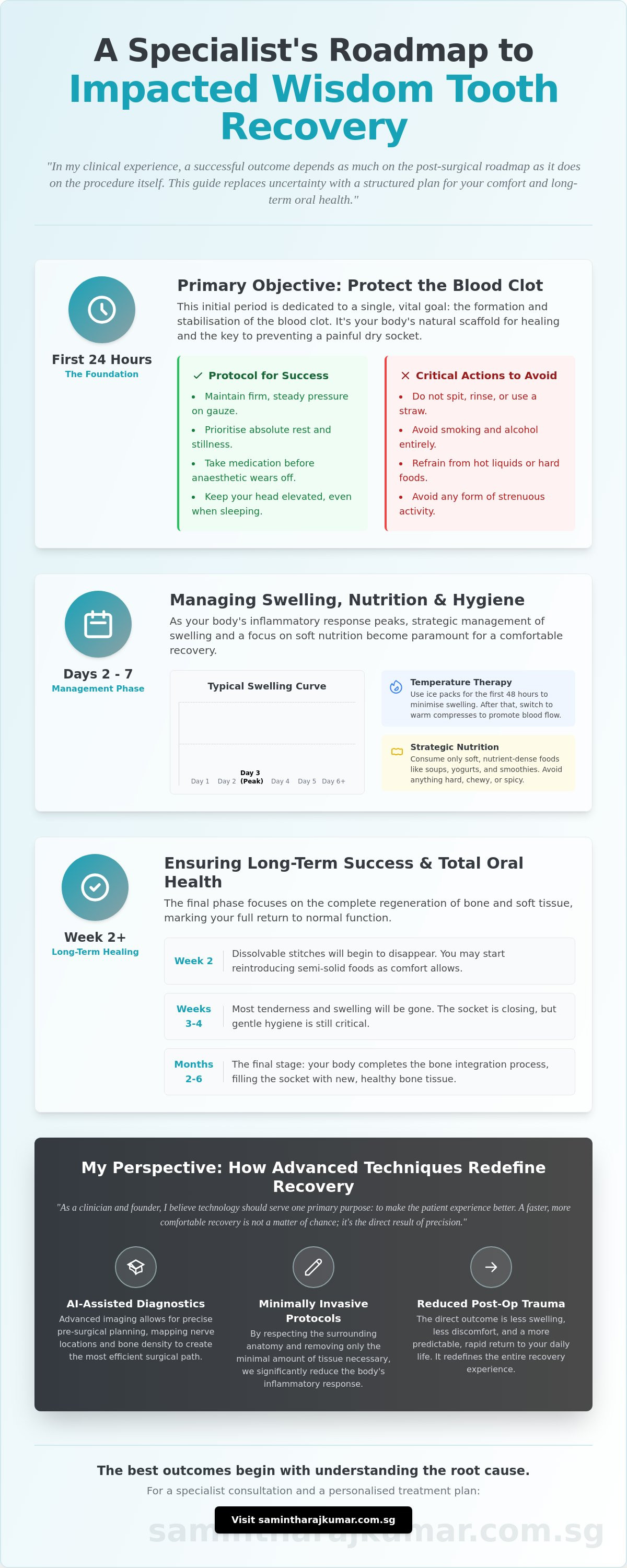
The first 24 hours represent the most significant window in your impacted wisdom tooth surgery recovery. From a biological perspective, this period is dedicated to a single, vital objective: the formation and stabilisation of the blood clot. This clot acts as a natural scaffold, protecting the underlying bone and nerve endings while initiating the cellular repair process. If this clot is dislodged, the result is a dry socket, a condition that is largely preventable with strict adherence to clinical protocols. In my clinical experience, the foundation of a pain-free recovery is laid in these very first hours of rest.
Managing the immediate post-operative transition requires a deliberate approach to comfort. You should aim to take your first dose of prescribed medication before the local anaesthetic completely wears off. This proactive strategy ensures that you aren't "chasing the pain" as sensation returns. By maintaining a steady level of analgesia, you allow your body to remain in a parasympathetic state, which is optimal for healing. I always advise patients to prioritise absolute stillness during this phase; your body needs to redirect all its energy toward tissue repair.
Step-by-Step: Your First Afternoon at Home
Once you arrive home, your focus should be on maintaining firm, steady pressure on the gauze packs. This mechanical pressure is what encourages the initial bleeding to stop. Follow these guidelines for effective post-operative at-home care:
Keep the original gauze in place for at least 45 to 60 minutes without checking it.
Replace the gauze only if bleeding remains heavy. A small amount of "pink" or blood-tinged saliva is normal.
Strictly avoid any activity that creates suction in the mouth. This means no straws, no smoking, and no vigorous spitting.
Suction is the enemy of healing. Even a seemingly harmless act like using a straw can create enough negative pressure to pull the clot from its socket, stalling your progress and increasing the risk of complications.
Nutrition and Hydration in the Acute Phase
Hydration is a fundamental catalyst for cellular repair. During the first few hours, focus on room-temperature liquids. Cold water or diluted fruit juices are excellent choices, provided they're sipped gently from a glass. Avoid hot drinks, as heat can dissolve the developing clot and increase blood flow to the area, potentially leading to renewed bleeding. When you feel ready to eat, stick to very soft, non-chew foods like Greek yoghurt, smooth apple sauce, or lukewarm blended soups. It's crucial to avoid anything with "bits", such as seeds, grains, or small crusts, that could lodge in the surgical site. I often remind my patients that the best outcomes begin with understanding the root cause of irritation, which is frequently found in premature dietary choices.
Navigating the First Week: A Specialist’s Protocol for Managing Swelling and Nutrition
Many patients are surprised to find that the third day after their procedure feels more challenging than the first. This phenomenon is known as the inflammatory peak. From a biological perspective, this is the point where the body's immune response is most active at the surgical site. During this phase of your impacted wisdom tooth surgery recovery, managing facial oedema becomes a priority. In my clinical experience, understanding this timeline helps to alleviate the anxiety that often accompanies a temporary increase in discomfort.
In the first 48 hours, I advise using cold therapy to constrict blood vessels and limit the initial volume of swelling. However, once you reach the third day, the strategy shifts. Transitioning to warm compresses helps to encourage local circulation and facilitates the removal of cellular debris through the lymphatic system. This rhythmic approach to temperature therapy is a hallmark of specialist-led care. Following established protocols, such as those outlined in Mayo Clinic's guide to wisdom tooth removal, ensures that your healing remains on a predictable and healthy trajectory.
Managing the Inflammatory Peak (Days 2-4)
Sleep positioning plays a vital role in controlling post-operative swelling. I recommend keeping your head elevated above your heart using two or three pillows for the first four nights. This simple mechanical adjustment uses gravity to prevent fluid from pooling in the facial tissues. You should also maintain a steady schedule with your prescribed anti-inflammatories. Consistency is far more effective than waiting for discomfort to peak. Some patients experience trismus, or jaw stiffness, during this window. I suggest performing very gentle opening and closing exercises to keep the temporomandibular joint mobile and prevent long-term muscle tension.
Safe Oral Hygiene and Dietary Progression
Maintaining a clean environment is essential for preventing secondary infections, yet you must be meticulous not to disturb the healing socket. After the first 24 hours have passed, you can begin gentle salt-water rinses. Rather than vigorous swishing, simply tilt your head from side to side and let the liquid fall out into the sink. This keeps the area sterile without risking the stability of the blood clot. As you progress through the week, your diet can graduate from liquids to soft solids. Foods like scrambled eggs, mashed avocado, and well-cooked pasta provide the necessary nutrients for tissue regeneration without requiring significant mechanical force.
In my clinical experience, the transition to solid foods should be patient-led and gradual. For a deeper understanding of the restorative philosophy behind these procedures, you may find it helpful to read my article on Wisdom Tooth Extraction: A Specialist Surgeon’s Perspective. By day seven, most patients find that their impacted wisdom tooth surgery recovery has moved past the acute stage. Always monitor for signs of delayed healing, such as a persistent foul taste or a sudden increase in pain after day four, which may require a clinical review to ensure the best outcome.
My Perspective: How Advanced Surgical Techniques Redefine the Recovery Experience
In my clinical experience, the quality of a patient’s recovery is decided long before the first incision. As a clinician and founder, I believe that surgical excellence isn't merely about the removal of a tooth; it's about the preservation of the surrounding biological ecosystem. My philosophy centres on meticulous, minimally invasive techniques that prioritise faster biological integration and a more comfortable impacted wisdom tooth surgery recovery. When we respect the tissue, the body responds with a far more efficient healing cycle.
Many patients express a deep-seated anxiety regarding potential nerve damage. I understand this fear. From a biological perspective, the proximity of the mandibular nerve to the roots of an impacted tooth requires absolute precision. To address this, I utilise AI-assisted diagnostics and high-resolution 3D imaging to create a "no surprises" surgical plan. This technology allows us to visualise the exact spatial relationship between the tooth and vital structures, transforming what was once a high-risk variable into a controlled clinical roadmap.
To further optimise the healing response, I often incorporate Platelet-Rich Fibrin (PRF) into the surgical site. This biological approach involves concentrating growth factors from your own blood to stimulate rapid tissue regeneration and bone density restoration. It significantly reduces the risk of dry socket and accelerates the closure of the surgical wound, providing a layer of protection that traditional methods simply cannot match. By harnessing the body's own regenerative potential, we move beyond simple extraction and into the realm of comprehensive restoration.
The Innovation of Biological Dentistry
I've always been committed to integrating international protocols into my practice, ensuring we meet the highest global standards of safety. 3D CBCT scans allow me to map the mandibular nerve with sub-millimetre accuracy, which drastically reduces surgical trauma. This level of precision often decreases the post-operative inflammatory response, subsequently reducing the need for heavy narcotics. My goal is always to facilitate a recovery that feels natural and manageable, where discomfort is the exception rather than the rule.
A Compassionate Approach to Patient Anxiety
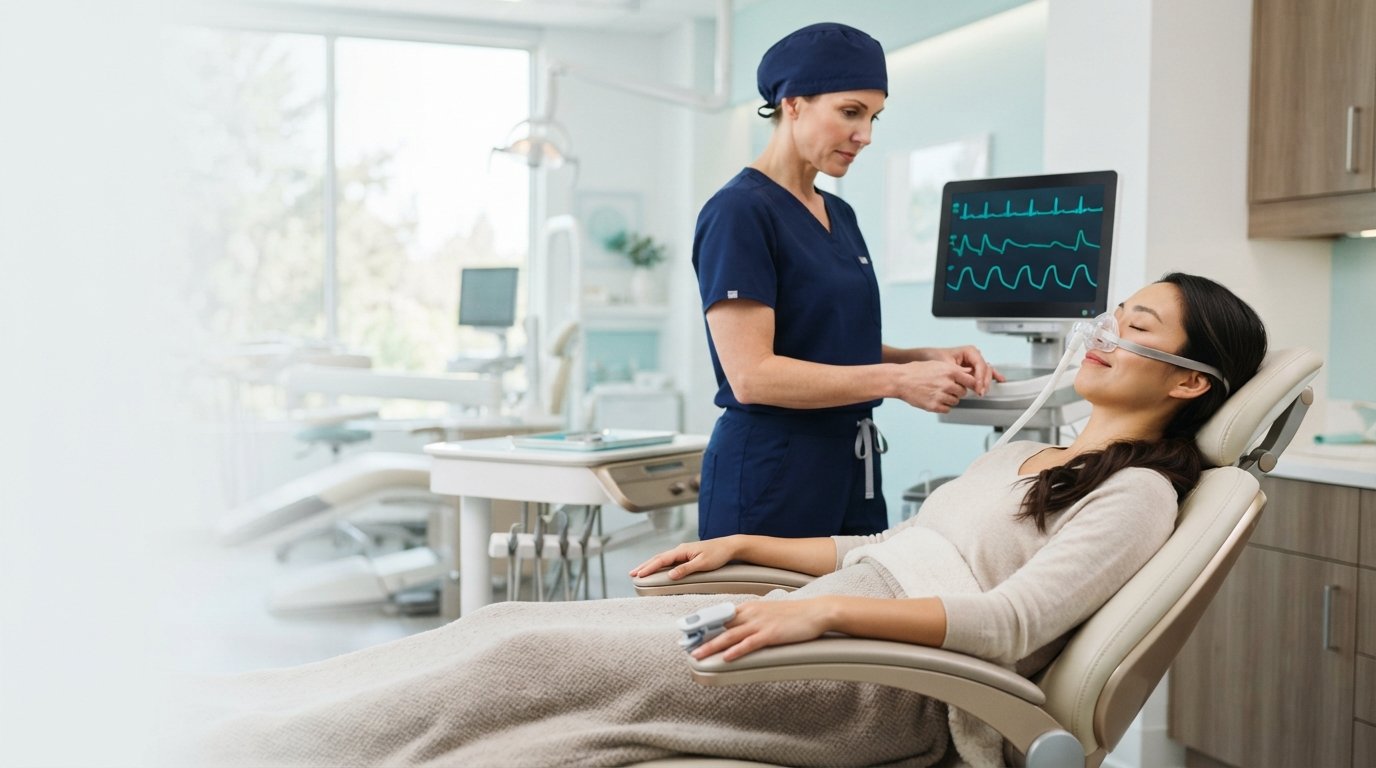
Clinical mastery must be paired with empathy. For many, the hurdle isn't the healing, but the procedure itself. Sedation dentistry plays a crucial role here, allowing us to perform complex extractions while the patient remains in a state of total relaxation. As a founder, I ensure this high-tier care is consistent across the entire patient journey. If you are currently evaluating your options, my guide on Choosing a Dental Clinic: A Specialist’s Guide provides deeper insight into what you should expect from a premium practice.
The right surgical approach changes the entire trajectory of your healing. If you are ready to discuss a tailored plan for your Wisdom Tooth Surgery, I invite you to reach out for a consultation where we can prioritise your long-term well-being and functional excellence.
Beyond the Stitches: Ensuring Long-Term Success and Total Oral Health
The final phase of impacted wisdom tooth surgery recovery is less about acute management and more about biological consolidation. Once the initial discomfort has subsided, the focus shifts to the maturation of the surgical site. In my clinical experience, patients often feel a significant sense of relief once the stitches dissolve, which typically occurs within seven to ten days. However, this milestone is merely the beginning of the deeper restorative process that defines total oral health. We aren't just healing a wound; we are allowing the jawbone to rebuild its structural integrity.
As a clinician and founder, I view the conclusion of this journey as a transformative moment. A mouth free from the pressure of impacted teeth is a mouth capable of functional excellence. The removal of these biological obstructions prevents the recurring infections and hidden decay that often plague patients for years. By following a specialist-led roadmap, you ensure that the short-term effort of surgery leads to a lifetime of dental stability. The right diagnosis changes everything, and seeing a patient return to their normal life with a pain-free smile is the ultimate measure of clinical success.
The Final Stages of Tissue Remodelling
From a biological perspective, there is a distinct difference between soft tissue closure and hard tissue regeneration. While your gums may appear fully healed within a fortnight, the underlying bone remodelling is a much slower physiological event. It's perfectly normal to feel a small indentation or "hole" at the extraction site for several months. This is simply the time required for new bone to fill the socket and integrate with the existing jaw structure. I always emphasise the importance of a final post-operative review to confirm that this rehabilitation is proceeding according to the highest clinical standards.
A Vision for Functional Aesthetics
I believe that oral surgery is a vital component of long-term facial harmony. Removing wisdom teeth that cause crowding is essential for preserving the results of previous orthodontic work. Without this intervention, the pressure from an impaction can shift the entire dental arch, leading to aesthetic and functional misalignment. There is also a profound link between surgical precision and the health of the jaw joint. If you've experienced clicking or discomfort in the jaw, you may find my insights on TMJ Specialist Singapore: A Surgeon’s Guide particularly relevant to your journey toward total jaw rehabilitation.
Ultimately, the goal of a successful impacted wisdom tooth surgery recovery is to restore harmony to your oral environment. Addressing these issues proactively allows for a more predictable outcome and protects the health of your adjacent teeth. The best outcomes begin with understanding the root cause, and I am committed to guiding every patient through this process with clarity and clinical mastery.
A Vision for Seamless Biological Restoration
Navigating your impacted wisdom tooth surgery recovery doesn't have to be a journey of uncertainty. By understanding the critical importance of initial clot stabilisation and the predictable nature of the inflammatory peak, you can move through the healing process with confidence. As a specialist in complex oral surgery and the founder of Nuffield Dental, I'm committed to upholding global standards of clinical excellence in every procedure I perform. My focus is always on meticulous precision to ensure your long-term comfort and functional health.
We've explored how advanced diagnostics mitigate risks and how strategic post-operative care facilitates the body's natural remodelling of bone and tissue. These steps are essential for a recovery that is as rapid as it is restorative. I've seen first-hand how a structured clinical roadmap transforms the patient experience, replacing anxiety with a sense of security and well-being.
The best outcomes begin with understanding the root cause. Explore our clinical approach to wisdom tooth surgery. I believe that a pain-free, healthy mouth is the foundation of a vibrant life. Your journey toward total rehabilitation is a priority I take personally, and I look forward to supporting your path to lasting oral health.
Frequently Asked Questions
How long does the pain last after impacted wisdom tooth surgery?
In my clinical experience, acute discomfort typically peaks between 48 and 72 hours post-surgery before it begins to subside. Most patients find they can manage this transition effectively with prescribed analgesics, reaching a significant level of comfort by the end of the first week. If you notice pain intensifying after the fourth day, it's important to contact your clinician to rule out potential complications.
What is dry socket and how can I tell if I have it?
A dry socket occurs when the protective blood clot is prematurely dislodged from the extraction site, exposing the underlying bone and nerves to the oral environment. You'll typically recognise it by a sudden, throbbing pain that radiates toward the ear, often accompanied by a foul taste or odour. This condition requires clinical intervention to restore comfort and protect the site during your impacted wisdom tooth surgery recovery.
When can I resume my normal exercise routine after surgery?
You should wait at least three to five days before resuming light physical activity, such as walking or gentle stretching. High-intensity exercise or heavy lifting should be avoided for at least a week, as increased blood pressure can trigger secondary bleeding or dislodge the healing clot. From a biological perspective, your body needs to prioritise cellular repair over athletic performance during this initial window.
Is it normal to have bruising on my face after the procedure?
Facial bruising is a common and expected part of the inflammatory response, particularly after the surgical removal of deeply impacted teeth. It usually appears a day or two after the procedure and may change colour from purple to yellow as it resolves over the following week. Using cold therapy in the first 48 hours is the most effective way to limit the extent of this discolouration.
Can I drive myself home after the surgery?
If your procedure involves intravenous sedation or general anaesthesia, you cannot drive yourself home and must be accompanied by a responsible adult. Even with local anaesthesia, I generally advise against driving immediately after surgery due to the potential for post-operative stress or lightheadedness. Safety is paramount. Having someone to assist you ensures a secure and calm transition to your home environment.
What happens if food gets stuck in the extraction site?
If food particles become lodged in the socket, do not attempt to remove them with a toothpick, tongue, or finger, as this can damage the delicate healing tissue. Instead, use gentle salt-water rinses to naturally flush the area, starting 24 hours after your procedure. In my clinical experience, the socket will gradually fill from the bottom up, naturally expelling debris as the new tissue matures.
How soon can I return to work or school?
Most patients are able to return to work or school within two to three days, though this depends on the complexity of the extraction. If your role involves strenuous physical labour or significant public speaking, you might require a slightly longer period of rest to ensure a smooth impacted wisdom tooth surgery recovery. I often recommend scheduling the procedure toward the end of the week to allow for a full weekend of restorative rest.
Are there any long-term risks to having my wisdom teeth removed?
Long-term risks are exceptionally rare when the surgery is performed using advanced 3D imaging and specialist protocols. Potential complications can include permanent sensory changes if the mandibular nerve is involved, though our use of sub-millimetre diagnostics aims to mitigate these variables. Ultimately, the long-term benefits of preventing infection, cysts, and dental crowding far outweigh the minimal risks associated with modern surgical techniques.


Comments